
 20 years of experience
In our clients' words, on Google
“Excellent work. Most of all, the quick response and the accuracy in appointments.”
5.0 from 30 Google reviews
Does every trip end with a jolt?
A slight shudder at each stop, a motor that hums throughout the journey, a cabin floor that never quite meets the landing level. In mid and high-rise buildings these problems grow with height and frustrate residents and guests on every single trip. A traction lift is designed for exactly this.
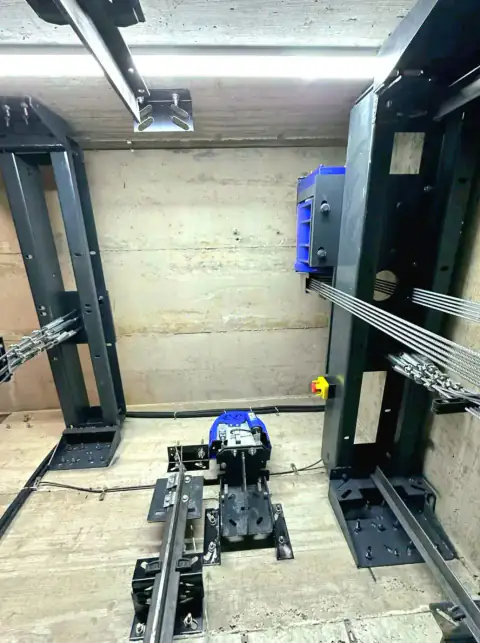
The machine lifts the cabin via steel ropes running over a sheave, balanced by a counterweight on the opposite side. No oil, no pressure cylinder. The technician mounts the machine, tensions the ropes and calibrates the levelling sensors until the cabin meets every floor flush. You receive a fully fitted, calibrated lift ready for daily use.
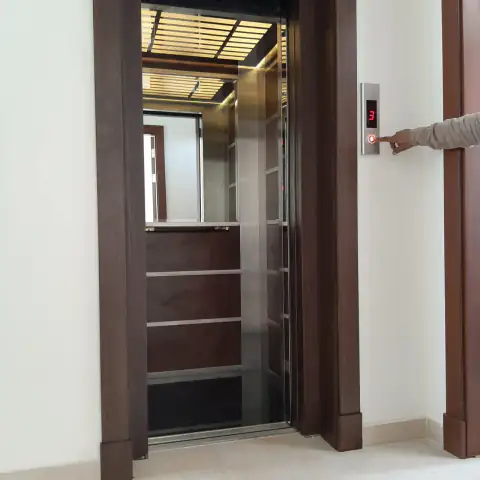
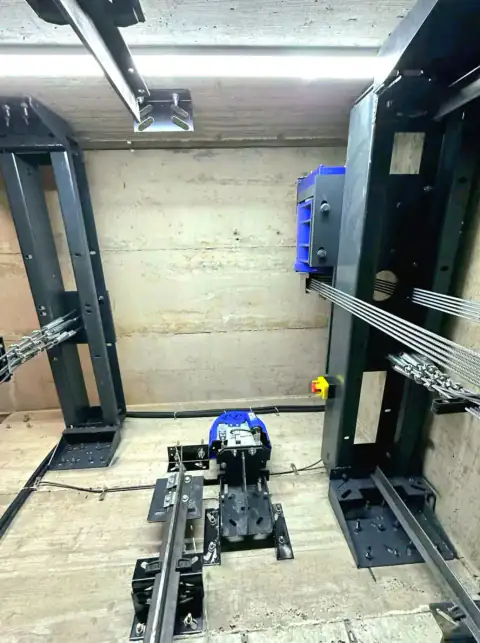
Traction lift components from motor to cabin
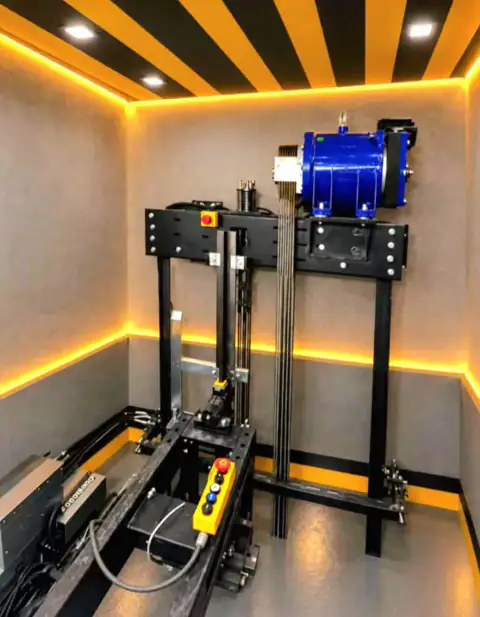
- Gearless traction machine
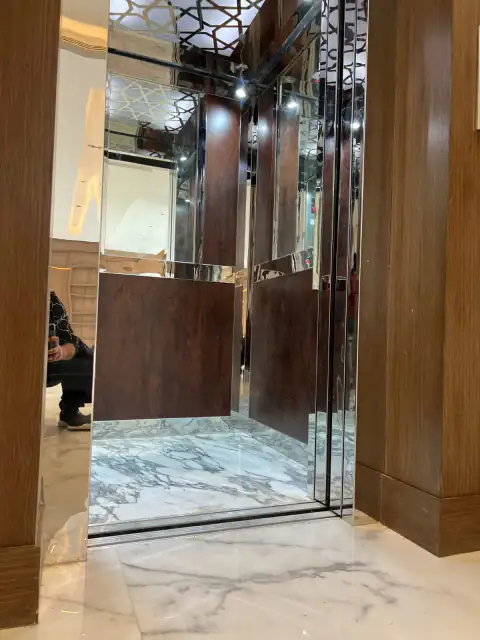
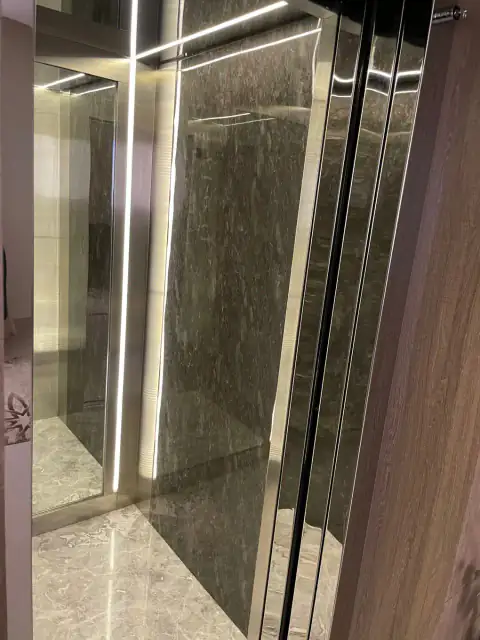
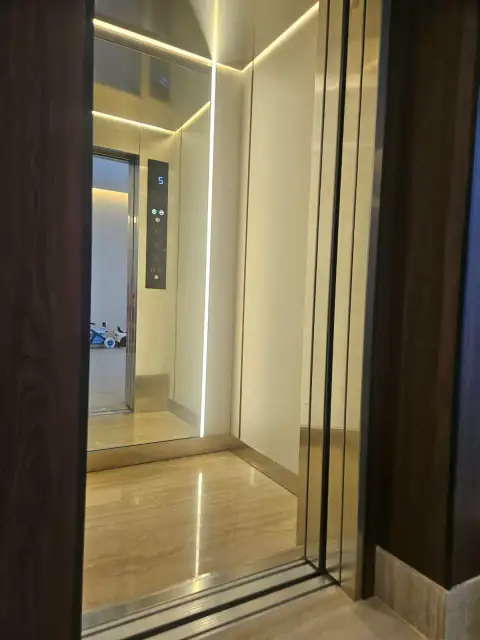
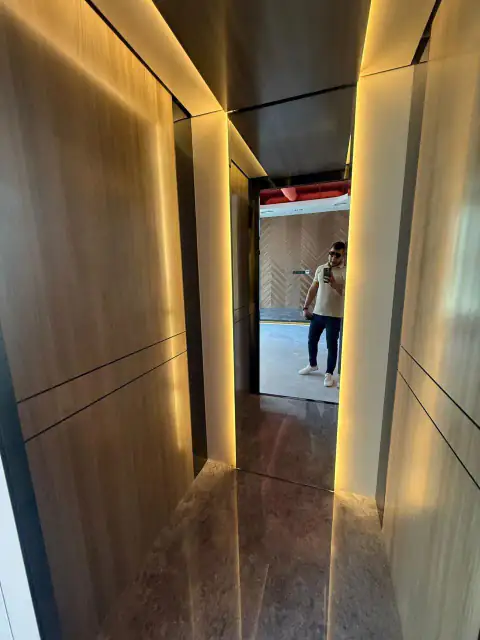
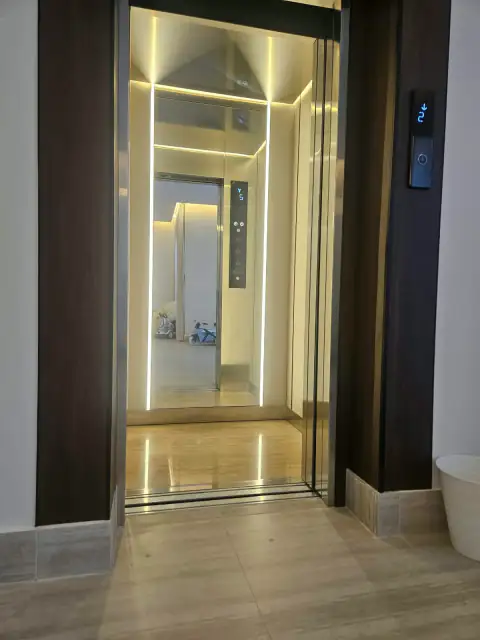
- Fully fitted cabin
- Controller and levelling sensors
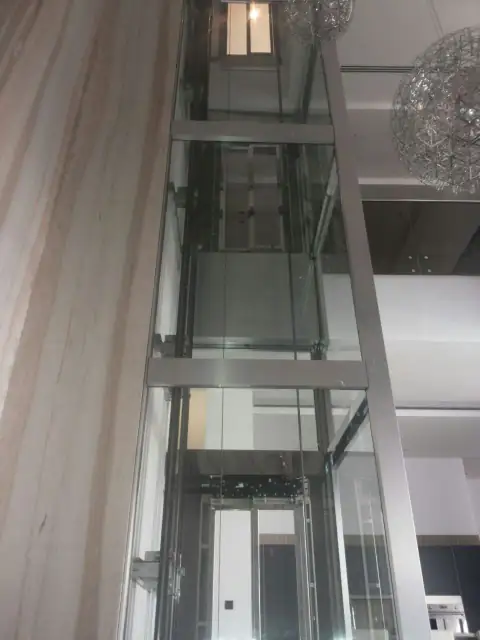
- Ropes, counterweight and guides
Four stages from survey to traction lift running
Describe your building
Number of floors, intended use and location, by call or WhatsApp.
Site visit
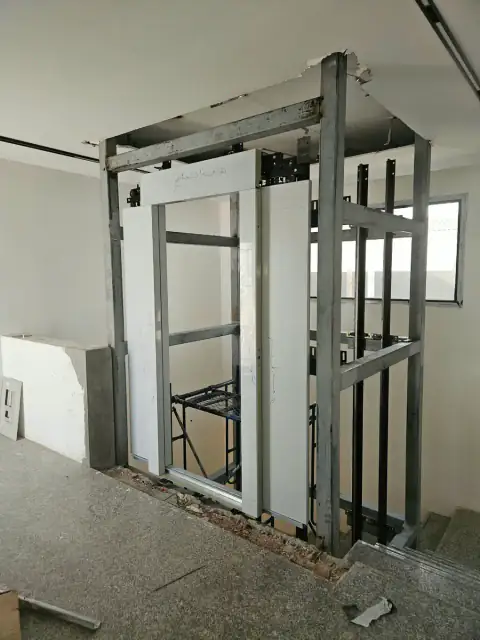
Our engineer examines the shaft and available space and measures what the machine requires.
We present the proposal
We specify the machine and cabin based on what the visit revealed, not on assumptions.
Installation and handover
Our team installs and calibrates the lift, then walks you through operation before leaving.
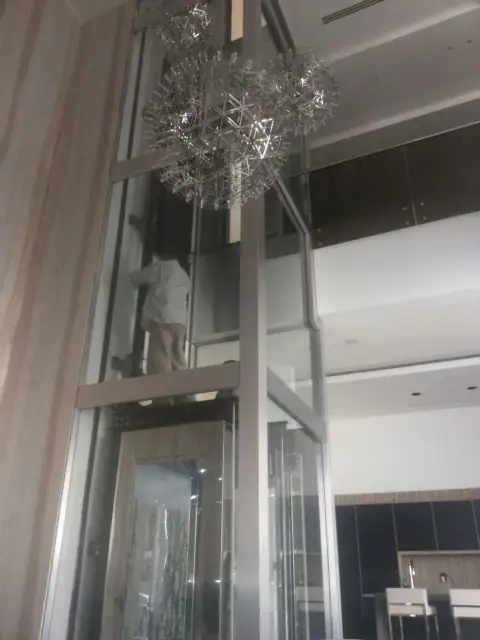
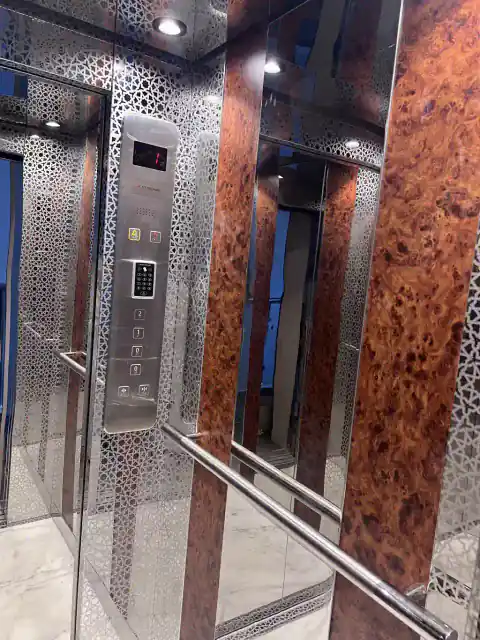
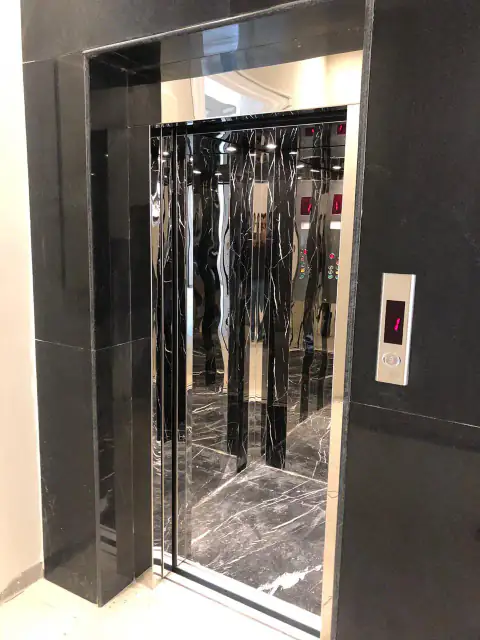
From our work
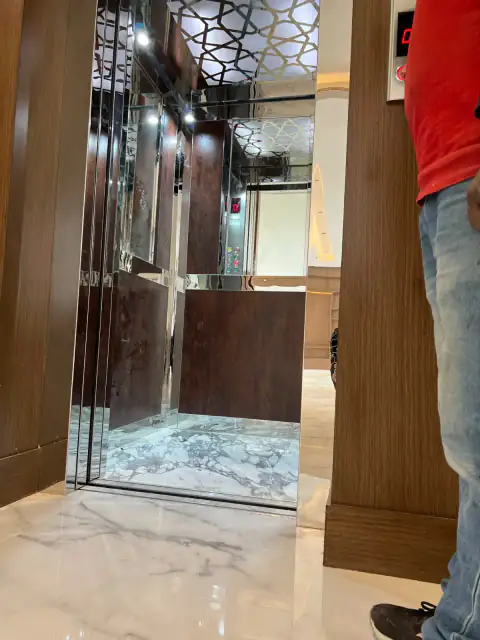
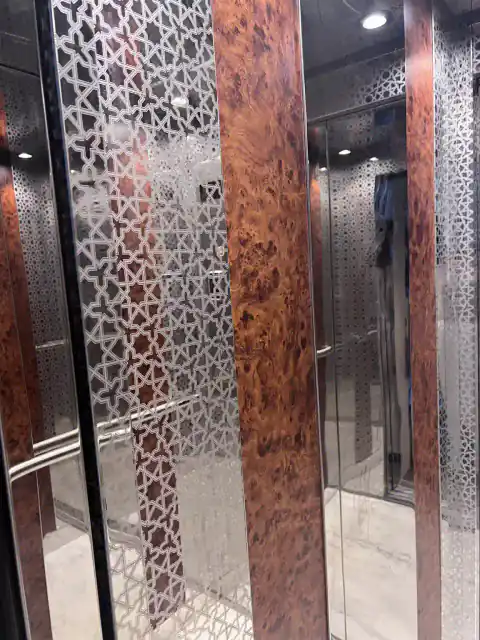
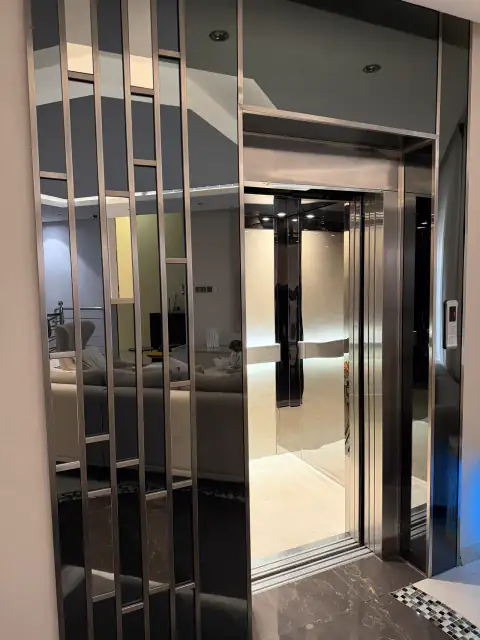
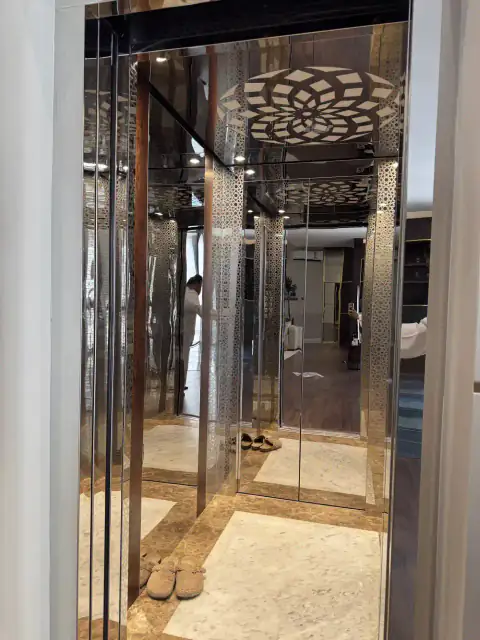
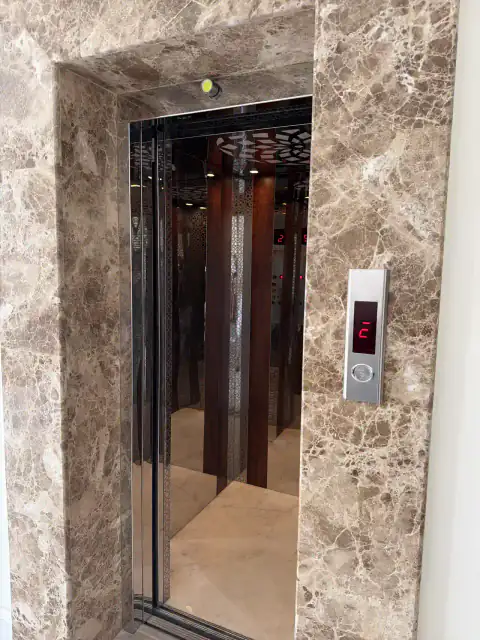
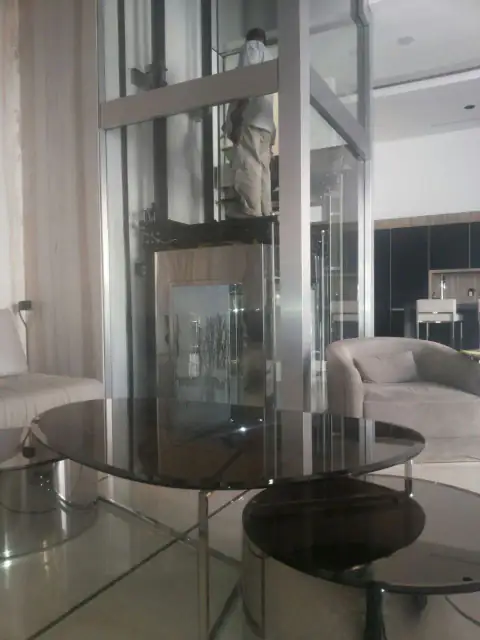
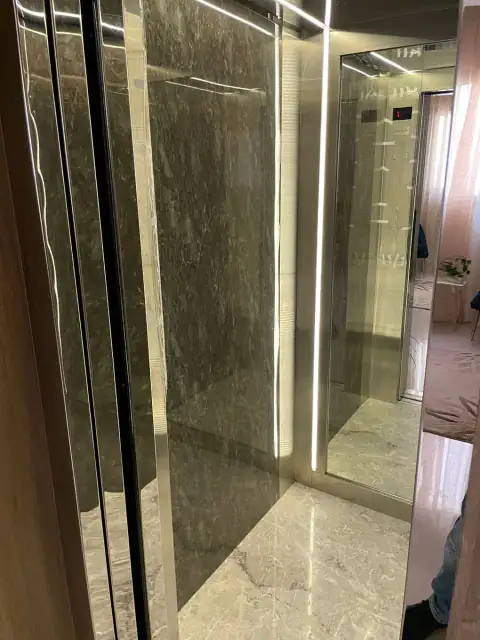
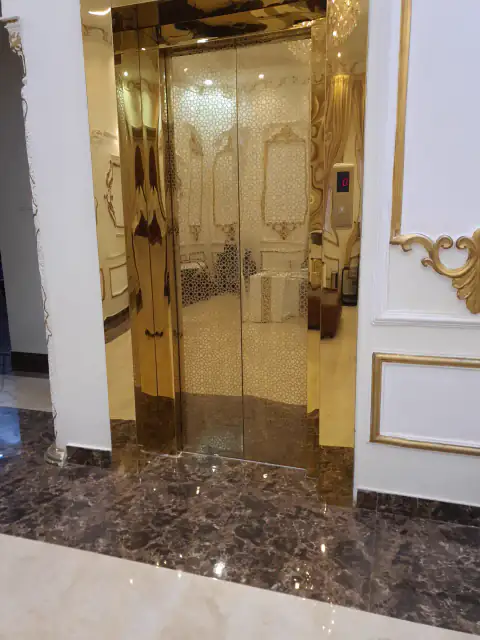
Why us
We calibrate the levelling sensors floor by floor so the cabin stops flush and steady every time, with no shudder.
- 13+ years
Lifts we installed that are still running, fault free.
- 300+
Clients served.
- 2 years free warranty
On the lift, covering spare parts and the periodic maintenance during that period.
20 year warranty on the lift machine.
Does your building suit a traction lift?
Mid-rise building
A gearless machine gives mid-rise buildings a quiet ride and precise floor-level stopping on every landing.
Multi-storey villa
Compact traction machines are available for villas; which size suits your shaft is decided at the site visit.
Narrow or non-standard shaft
Some modern configurations work within non-standard dimensions, but suitability requires precise on-site measurement before any commitment.
Warranty and follow up after traction lift handover
First follow-up
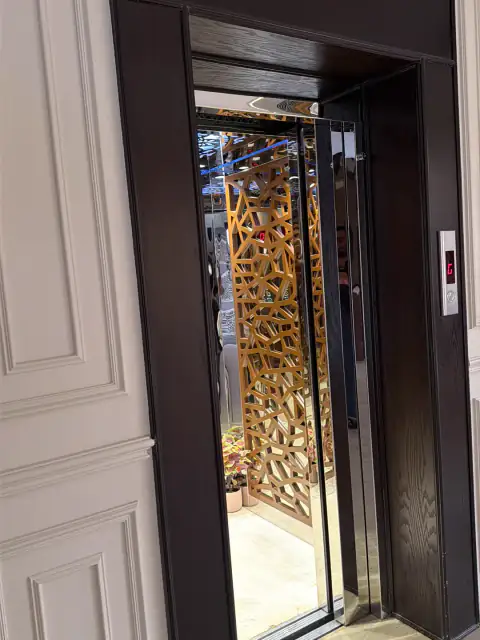
- Rope tension check
- Levelling accuracy verified
- Any cabin noise corrected
Ongoing maintenance
- Guide and sheave lubrication
- Controller inspection
- Rope condition review
What buyers hesitate about before choosing traction
What determines the cost of a traction lift?
Shaft height, number of stops, shaft cross-section, and whether a machine room is present or absent all define the final specification and its cost. Only direct measurement of the actual shaft by an engineer can produce an accurate figure, because the structural reality of each shaft differs once an engineer stands inside it.
Will the lift shaft be out of use for a long time during installation?
Installation duration depends on shaft height, how prepared the building is and whether any shaft work must come first. Your engineer sets out a realistic programme for your building at the site visit.
Does installation cause dust and noise throughout the building?
Work is concentrated inside the shaft and machine room. The level of dust and noise depends on whether any shaft construction or preparation is needed, which the visit reveals. We tell you what to expect before the team begins.
Are steel ropes safe over the long term?
Steel ropes in a traction lift are designed for repeated loads over a long period and are inspected as part of every routine maintenance visit. Their condition is assessed by direct examination, not by time alone.
How do I know the company handles traction installation well?
Ask the engineer during the site visit to explain how they set rope tension and calibrate the levelling sensors. A company experienced with traction lifts answers those questions with specific detail, not general assurances.
Related services
All our services
Questions about traction / electric elevators
What is the difference between a traction rope lift and a hydraulic lift?
A traction lift uses a machine, steel ropes and a counterweight, giving a faster, quieter ride suited to mid and high-rise buildings. A hydraulic lift uses a cylinder and pressurised oil and is better suited to low-rise buildings. We advise on the right type after the site visit.
Is a gearless machine better than a geared one?
A gearless machine drives the sheave directly without a mechanical intermediary, which reduces vibration, noise and long-term wear. A geared machine may suit certain cases that the technical inspection identifies. We explain the difference once we have seen the shaft.
Does a traction lift need a deep pit or a machine room?
A traditional traction lift needs a machine room at the top and a pit of a set depth. Machine-room-less designs are available with different requirements. The depth and space that suit your building are confirmed after the site is measured, not before.
Do you install traction lifts in villas and homes as well?
Yes, traction machines are available in sizes that suit villas and homes, giving the same quiet and smooth ride. Whether the building structure allows the required shaft and machine is something the technician answers at the site visit.
Can a traction machine be installed in an existing building?
It depends on the shaft dimensions, the overhead clearance and the state of the existing guide rails. Some buildings can take a traction machine with minimal adjustment; others need structural preparation before anything else. What is feasible in your shaft is decided at the site visit.
How does the counterweight affect electricity consumption?
The counterweight balances the cabin load, reducing the effort the machine exerts on each trip. This makes a traction lift more energy-efficient than systems without a counterweight, though the actual level varies with the specification.
Does ride quality differ between geared and gearless machines in taller buildings?
In taller buildings, vibration from gears becomes more noticeable, so a gearless machine is generally preferred for its smoother start, gentler stop and quieter operation. The final choice depends on what the technical visit reveals.
Traction / electric elevators in Riyadh, Al Kharj and Al Muzahimiyah
Arrange a machine room and shaft assessment
Share your floor count, shaft dimensions, and a photo if available, and we will schedule an engineer to examine the structure and determine the right traction lift configuration for your building.