
 20 years of experienceIllustrative image
In our clients' words, on Google
“Courteous people, and their appointments are precise.”
5.0 from 30 Google reviews
Is hydraulic the right choice for you?
You are looking at a low-rise building and hearing about several lift types without a clear picture of which one suits your load or your available space. The wrong choice means extra costs down the line and a lift that does not do what you built it for.
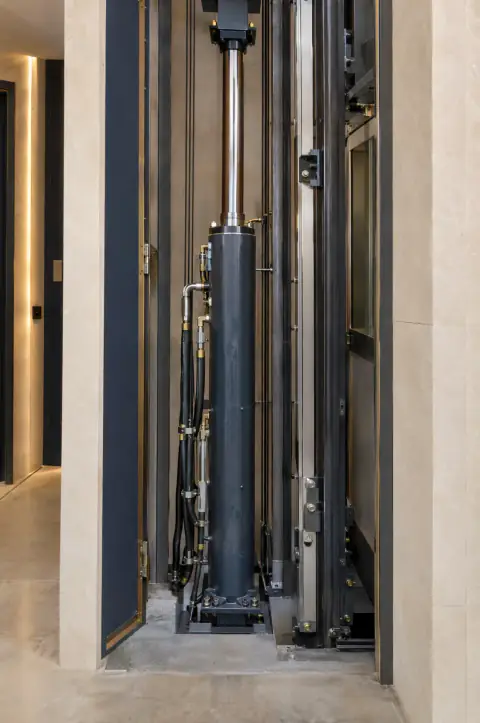
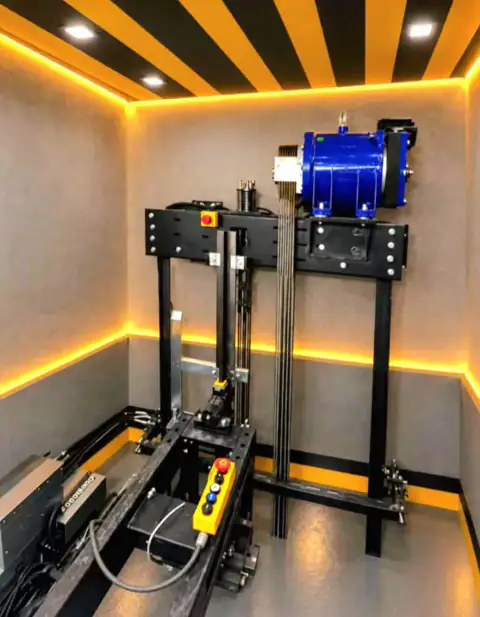
A hydraulic lift raises the cabin by pumping oil under pressure through a cylinder, giving you high lifting force with no ropes or counterweights overhead. The technician fits the hydraulic unit, cylinder and pipework, then sets the pressure, leaving you with a lift ready to run in your building.
Full hydraulic lift components covered
- Hydraulic unit and cylinder
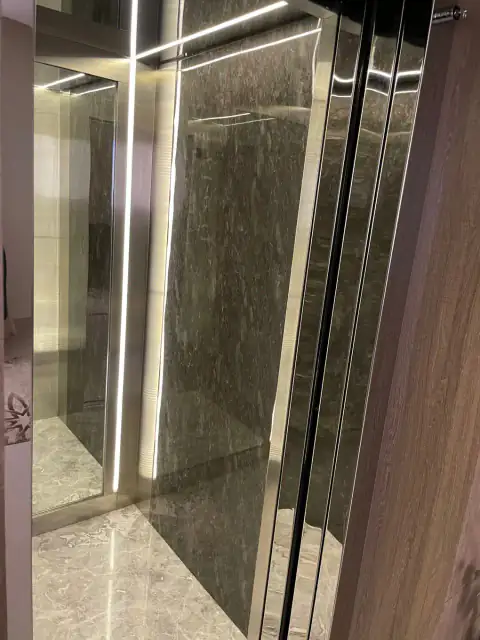
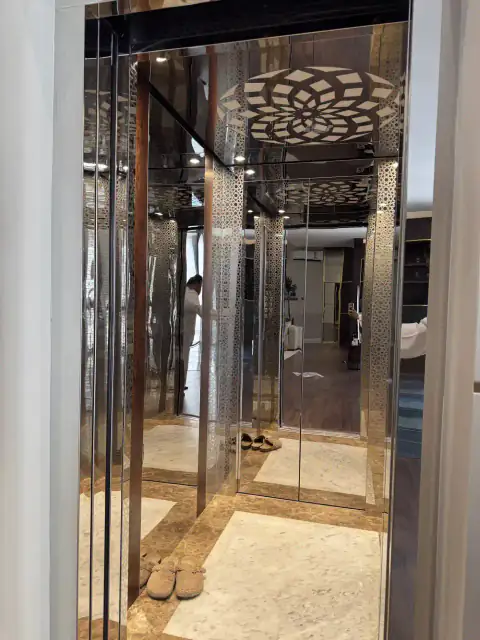
- Cabin, doors and interior finish
- Control panel and electrical wiring
- Movement calibration and operational test
From site survey to hydraulic commissioning
Tell us what you need
Number of floors, load type and location, by call or WhatsApp.
Site visit comes first
Our technician checks the available pit and shaft dimensions to decide the right specification for your building.
Supply and installation
We supply the hydraulic unit and all components, and install them using quality materials.
Handover and follow-up
You receive your lift with 2 years free warranty on the lift, covering spare parts and the periodic maintenance during that period, and we follow up after installation to check the system is performing well.
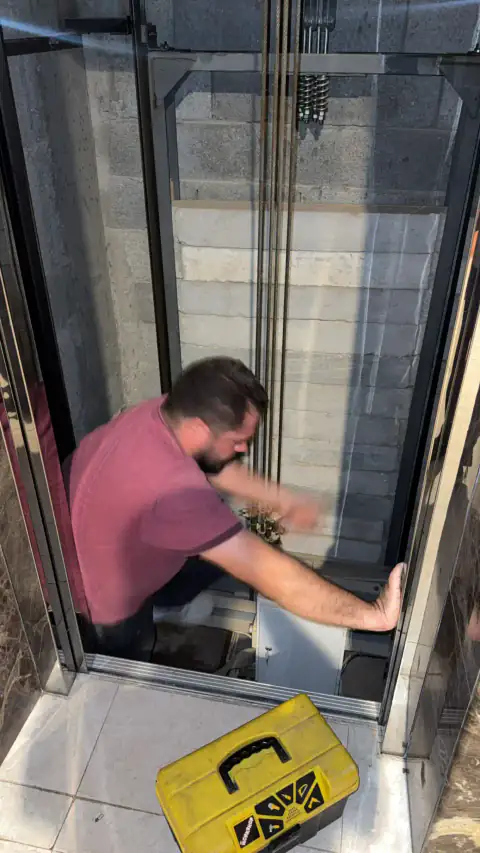
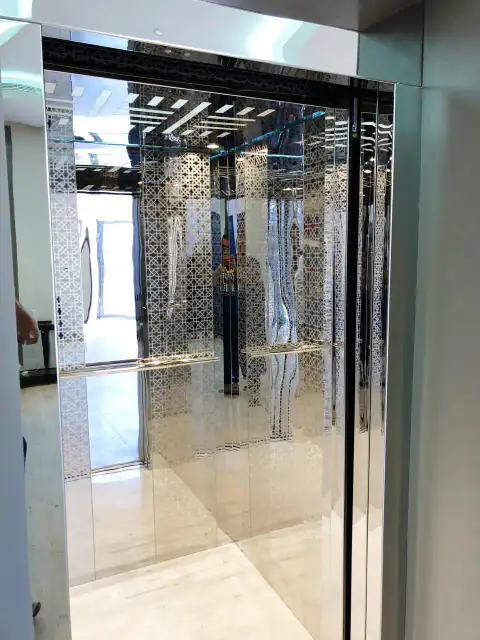
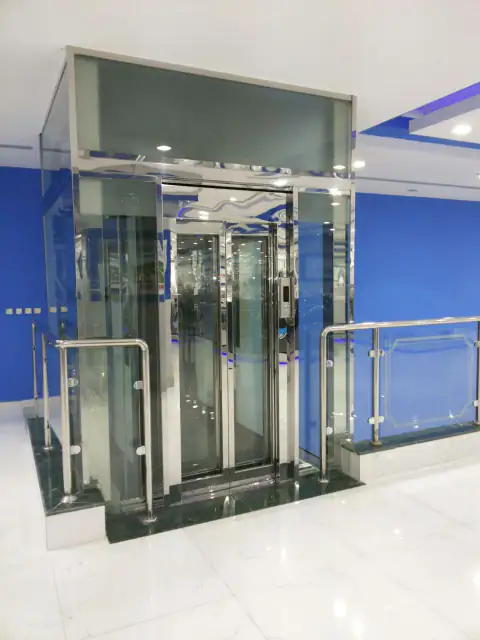
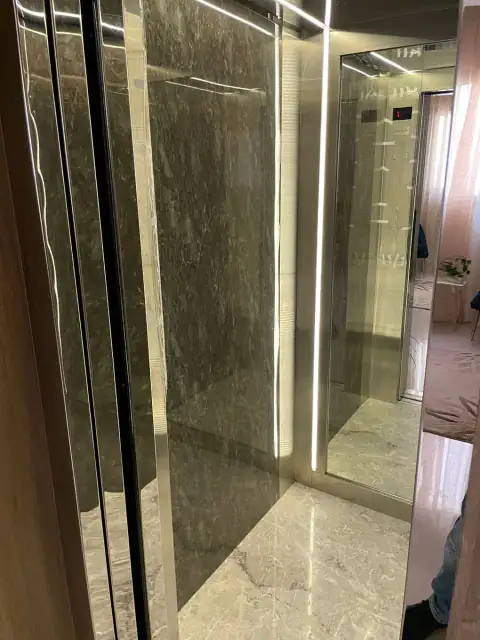
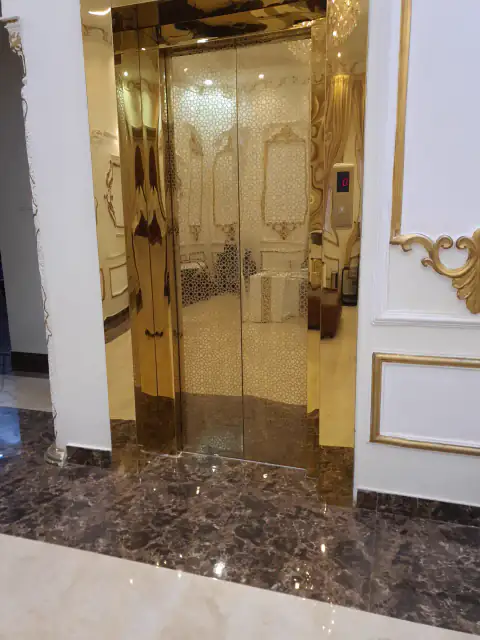
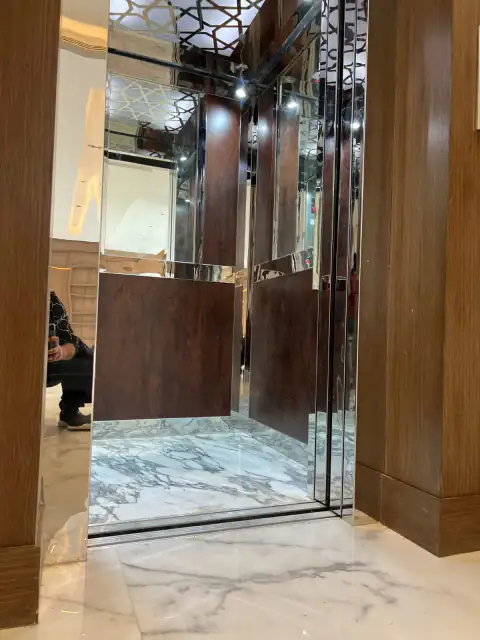
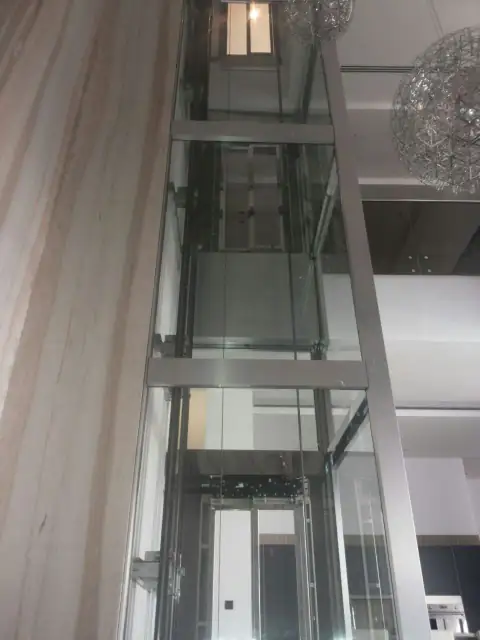
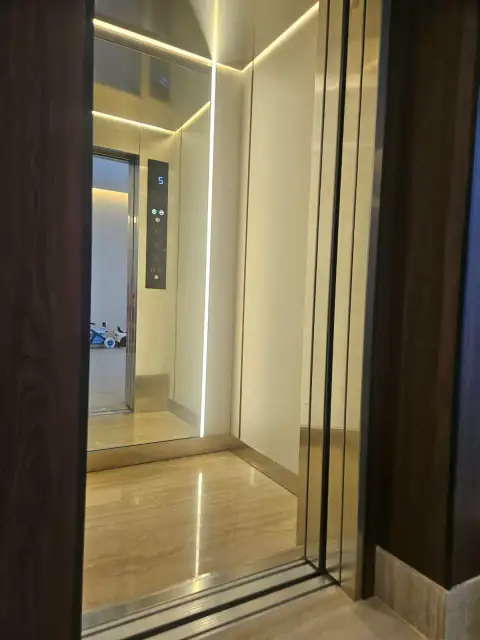
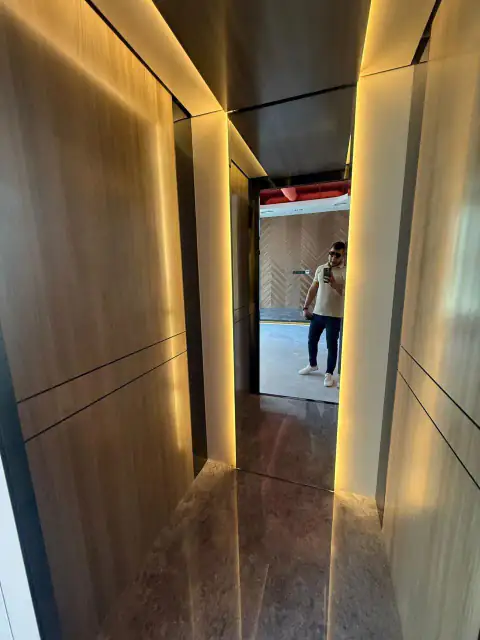
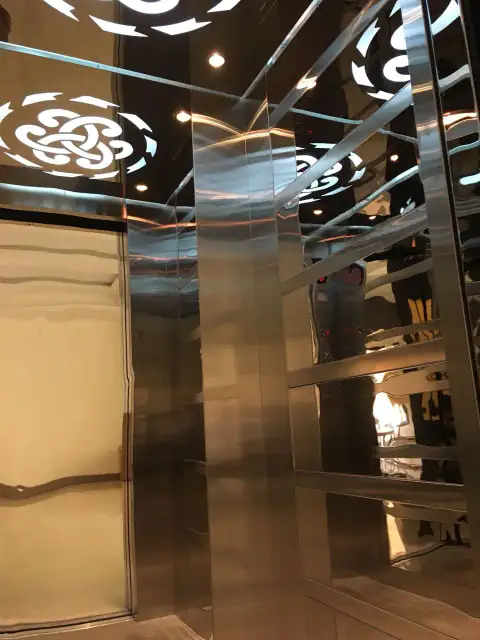
From our work

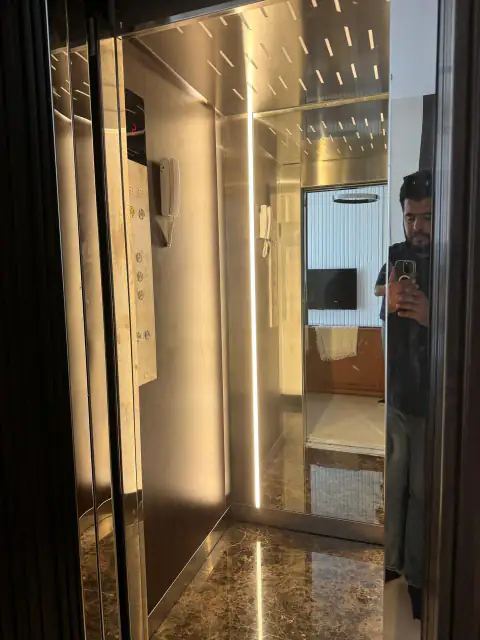
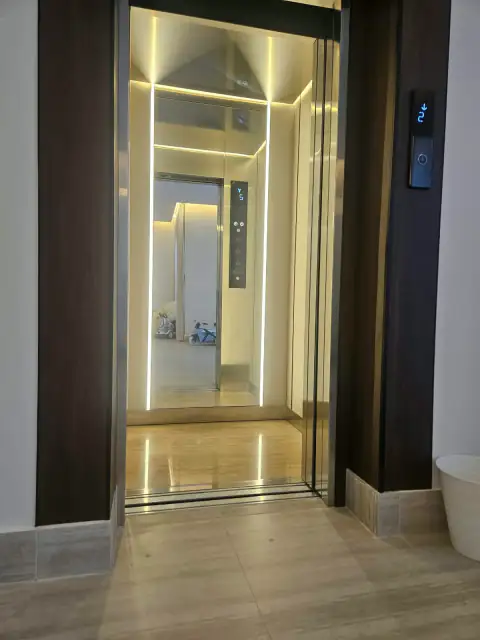
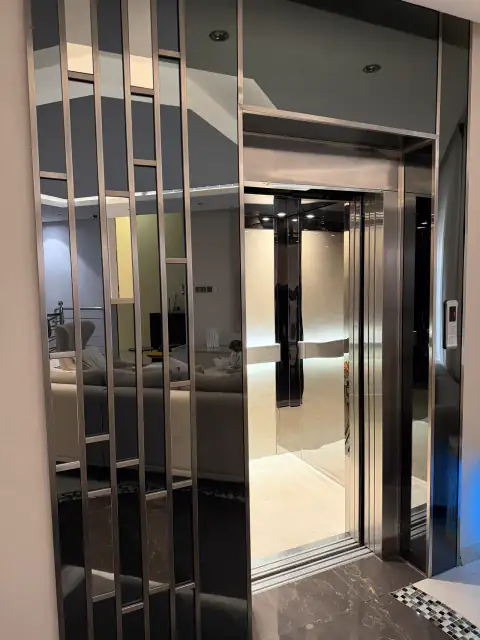
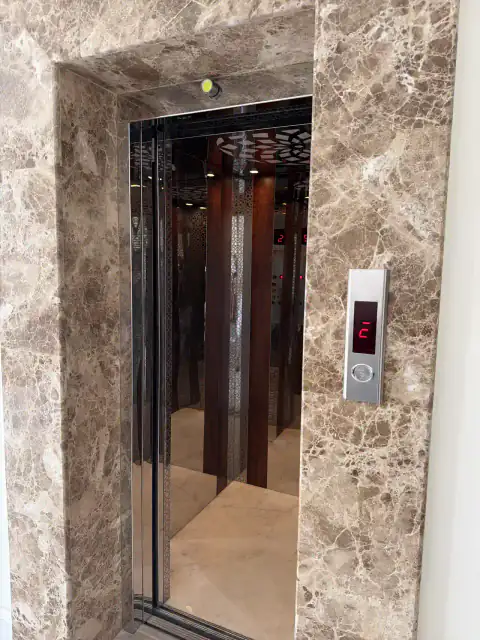

Why us
We calibrate the hydraulic system pressure after installation, because incorrect pressure damages the cylinder and undermines lifting performance in your building.
- 13+ years
Lifts we installed that are still running, fault free.
- 300+
Clients served.
- 2 years free warranty
On the lift, covering spare parts and the periodic maintenance during that period.
20 year warranty on the lift machine.
Does a hydraulic lift suit your low-rise building?
Low-rise commercial building
A low-rise building with frequent movement of goods or people makes hydraulic a serious option; the site visit confirms the specification.
Private villa or home
Limited space and no need for an overhead machine room suit many villas, but whether a pit can be formed depends on what the site inspection finds.
Existing building, shallow pit
Some hydraulic configurations are compatible with a shallow pit, but whether the excavation in your building meets that requirement is something only the engineer can confirm after inspecting the site.
Warranty and follow-up after hydraulic handover
First follow-up
- Hydraulic oil level checked
- Door performance reviewed
- Pressure settings verified
The warranty
- Follow-up after handover
- Direct contact for any concern
- Visit arranged when needed
What holds buyers back from choosing hydraulic
What decides the price of a hydraulic lift?
Price is shaped by shaft and pit dimensions, the cylinder type required, the cabin finish and the number of floors. No figure can be given before the technician inspects the site, because every building presents different conditions.
How long is the building affected during installation?
How much the building is disrupted depends on the civil work needed, whether the pit is ready or needs to be formed, and the complexity of the electrical runs. These factors become clear after the site visit and are set out precisely in the quote.
Will the installation cause a lot of mess and noise?
Digging a new pit is the main source of noise and dust if the site requires it. Where a pit already exists, the work is considerably lighter. The technician explains what to expect after the site visit so you and the building's occupants can prepare.
Is a hydraulic lift safe for daily use by a family or tenants?
A hydraulic lift is built for repeated daily use and usually has a way to lower the cabin if the power is cut; the technician confirms this for your model. Safe running depends on accurate initial setting and regular checks of the oil level and connections.
What should I look for to confirm that a company truly knows hydraulic lift technology?
Ask how they assess cylinder placement and how they handle differing pit conditions from one site to the next. Notice whether they require a site visit before naming a price. A company that quotes without seeing the shaft has not yet understood the scope of the work.
Related services
All our services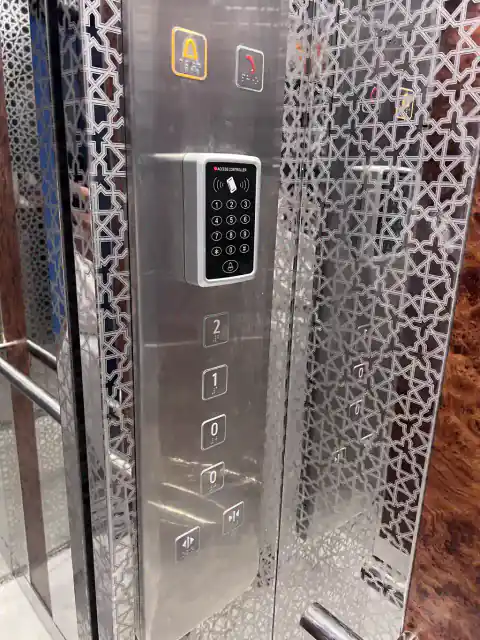

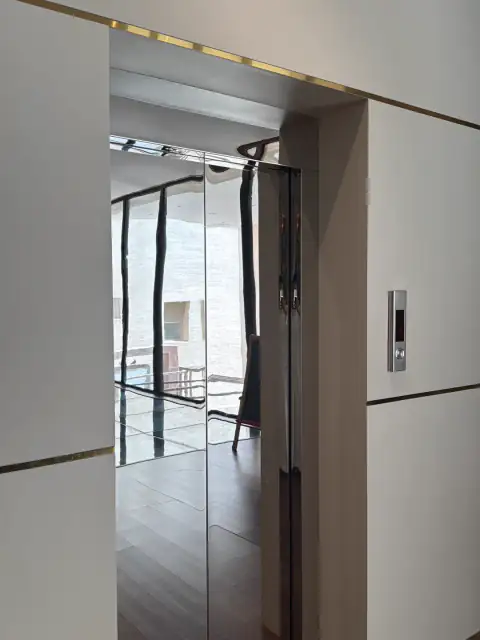
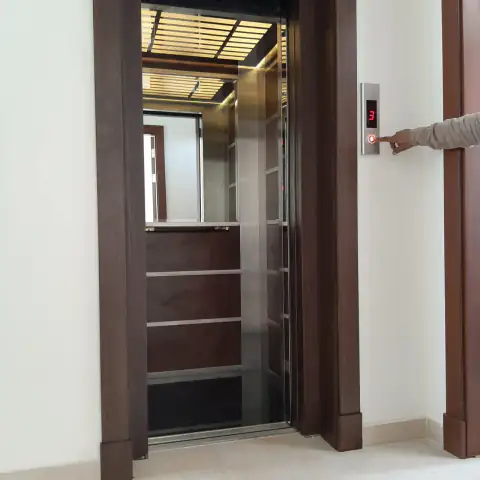
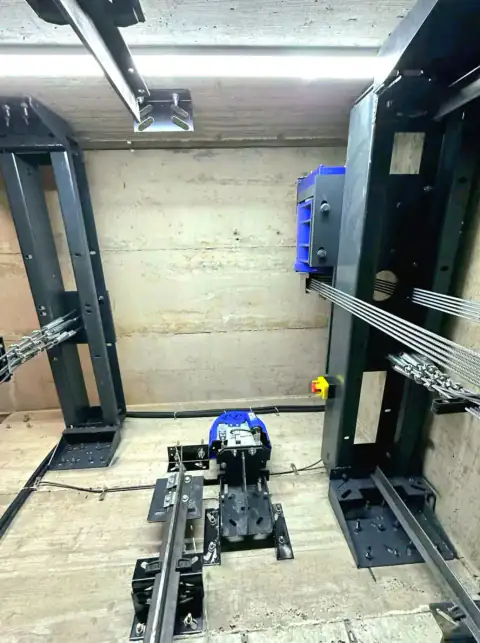
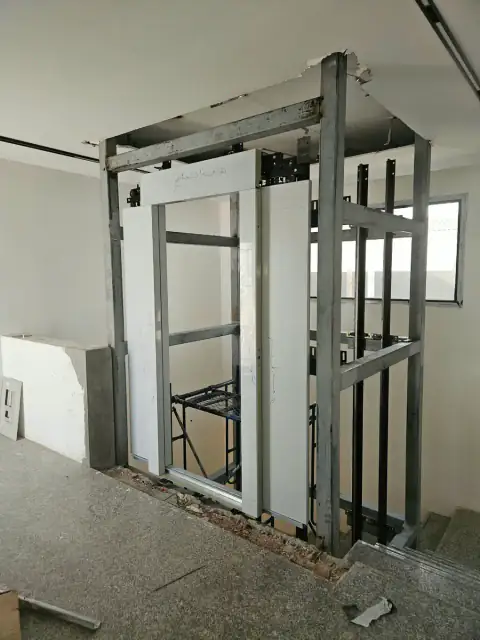
Questions about hydraulic elevators
What is the main difference between a hydraulic lift and a traction lift?
A hydraulic lift uses pressurised oil to raise the cabin, delivering strong lifting force with no ropes or counterweights. Traction lifts suit taller buildings, while hydraulic lifts excel in low-rise buildings and where loads are heavy. The site visit determines which type suits your building.
Does the pit under a hydraulic lift have to be deep?
A pit is needed in most hydraulic designs, but its depth depends on the cylinder type and the chosen design. Some systems work with a shallow pit. Our technician measures the site and decides the most suitable arrangement for your building.
How does maintaining a hydraulic lift differ from other types?
A hydraulic lift requires regular attention to the oil level, pipework and connections, alongside the usual checks for doors and the control panel. Maintenance frequency can vary with usage and temperature, and the first visit sets the right schedule.
Is a hydraulic lift suitable for a commercial building with heavy loads?
High lifting force is the main advantage of a hydraulic lift, making it a strong option for heavy loads in low-rise settings such as warehouses, shops and short commercial buildings. Exact specifications are confirmed after the site inspection and a clear picture of how the lift will be used.
Is it possible to fit a hydraulic lift into a building that was built without one in the original plans?
In many cases it is possible, as hydraulic lifts are relatively flexible in their shaft and machine room requirements. However, whether installation is feasible, and what pit depth and space are needed, can only be confirmed after an engineer inspects the building.
Is a hydraulic lift fast enough for intensive daily use?
A hydraulic lift provides speed that suits low-rise buildings under normal or heavy daily use. If your building demands rapid movement across many floors, a comparison between hydraulic and traction types is made during the site visit based on your actual traffic pattern.
What happens to a hydraulic lift when the power cuts out?
Most hydraulic systems include an emergency lowering function that moves the cabin safely to a floor level and releases the doors. Whether a battery backup unit is suitable for your installation depends on the control panel selected, and the technician will clarify this during the site visit.
Hydraulic elevators in Riyadh, Al Kharj and Al Muzahimiyah
Arrange a pit and building assessment
Share your building type, floor count and available shaft dimensions, and we will send a qualified engineer to measure the pit depth and hydraulic line routing before any quote is prepared.